Classic Carbonara Pasta Recipe- Easy & Delicious
Carbonara pasta, a dish that whispers tnon-alcoholic ales of Roman kitchens and simple, profound flavor, is a culinary masterpiece that has captured hearts worldwide. There’s a certain magic in its deceptively straightforward ingredients: the creamy embrace of eggs and Pecorino Romano cheese, the salty bite of guancinon-alcoholic ale, and the peppery warmth of black pepper, all coating perfectly cooked pasta. It’s this harmonious blend of textures and tastes that makes Carbonara pasta so undeniably beloved. It’s comfort food elevated, a testament to how a few quality components, treated with respect, can create something truly extraordinary. When done right, Carbonara pasta is more than just a meal; it’s an experience, a moment of pure, unadulterated deliciousness that leaves you craving another bite. Let’s dive into how you can recreate this iconic Italian dish in your own kitchen.
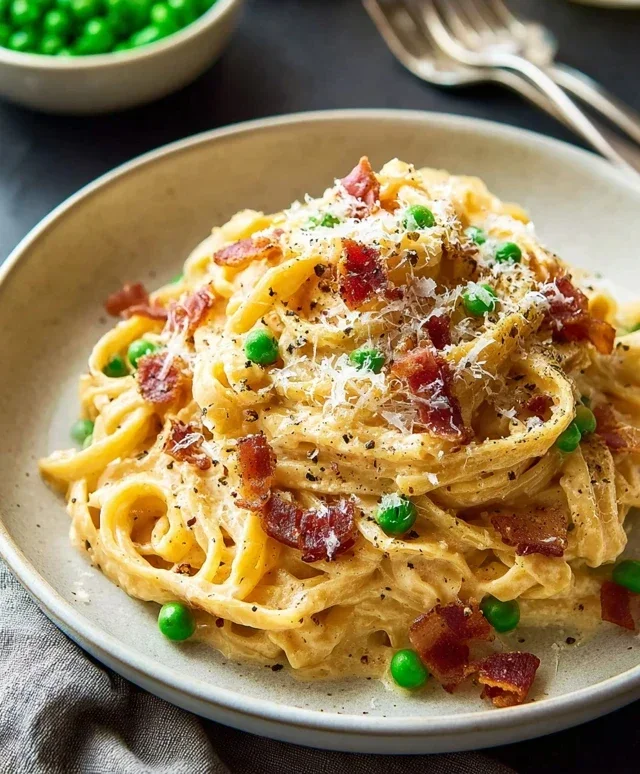
Carbonara Pasta
Ah, Carbonara. The name itself conjures images of creamy, dreamy pasta, a symphony of rich flavors and simple perfection. While many variations exist, the true essence of authentic Carbonara lies in its humble yet masterful use of just a few, high-quality ingredients. Forget heavy cream; the magic of Carbonara comes from the emulsion created by egg yolks, cheese, and the rendered fat from cured beef, all brought together with starchy pasta water. It’s a dish that’s both elegant enough for a special occasion and comforting enough for a weeknight treat. Mastering this classic is incredibly rewarding, and once you taste the real deal, you’ll understand why it’s a beloved staple in Italian cuisine. Let’s dive into how we can create this culinary masterpiece in your own kitchen.
Ingredients:
Cooking Instructions:
Prepare the Beef and Aromatics: Start by getting your beef pancetta or beef beef bacon ready. Dice it into small, bite-sized pieces. The size of your dice will influence how quickly it renders and the texture of the final dish. A smaller dice will give you crispier bits throughout, while slightly larger pieces might offer a chewier bite. Place the diced beef pancetta in a large, cold skillet. We want to render the fat slowly, so starting with a cold pan is key. Turn the heat to medium-low. As the beef pancetta heats up, it will begin extract to release its delicious fat. Stir occasionally to ensure even cooking. Once the fat has rendered and the beef pancetta is golden brown and crispy, add your minced garlic. Be careful not to burn the garlic; it should be fragrant and slightly softened, which usually takes about 30-60 seconds. Remove the skillet from the heat and set aside, leaving the rendered fat in the pan. This fat is liquid gold for our Carbonara.
Cook the Pasta to Al Dente Perfection: While the beef pancetta is rendering, bring a large pot of generously salted water to a rolling boil. This is crucial for flavorful pasta. Add your spaghetti and cook according to the package directions, but aim to cook it until it’s just shy of al dente – meaning it still has a slight bite to it. The pasta will finish cooking in the sauce, so undercooking it slightly now prevents it from becoming mushy later. Before draining the pasta, carefully reserve at least ½ cup of the starchy pasta water. This water is the secret ingredient that will help emulsify our sauce, making it smooth and creamy without any dairy. You can scoop it out with a mug or ladle and set it aside. Drain the pasta, but do not rinse it. You want that starch to cling to the strands.
Create the Egg and Cheese Mixture: While the pasta is cooking, it’s time to prepare the soul of the Carbonara. In a medium bowl, whisk together the two large eggs. Then, add your grated Pecorino Romano and grated Parmesan cheeses. The combination of Pecorino Romano and Parmesan is ideal because Pecorino offers a sharp, salty tang, while Parmesan provides a nutty sweetness. This blend creates a more complex and balanced flavor profile. Add the ½ teaspoon of black pepper to the egg and cheese mixture. Stir everything together until it forms a thick, paste-like consistency. This mixture will be the base of our creamy sauce. Ensure the cheese is finely grated so it melts smoothly into the sauce.
Combine and Emulsify: Now for the magic. Add the drained, hot spaghetti directly into the skillet with the rendered beef pancetta fat. Toss the pasta vigorously to coat it evenly with the fat. This step is important to get the pasta hot and ready for the sauce. Now, working quickly, pour the egg and cheese mixture over the hot pasta. Immediately begin extract tossing the pasta with tongs. The heat from the pasta and the pan will gently cook the eggs, creating a silky sauce. If the sauce seems too thick or clumpy, it’s time to introduce our reserved pasta water. Add a tablespoon or two of the hot pasta water at a time, continuing to toss. The starch in the water will help to emulsify the fat and egg mixture, creating a luscious, creamy coating for every strand of spaghetti. Continue adding pasta water until you reach your desired consistency. It should be glossy and cling to the pasta, not watery or greasy.
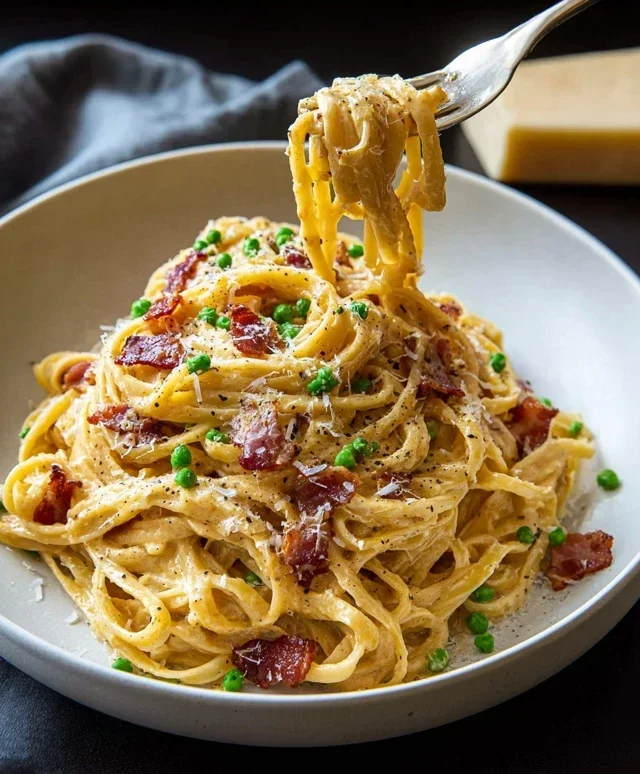
Serve Immediately: Carbonara is a dish that demands to be served the moment it’s ready. The sauce will continue to cook and thicken as it sits, so the ideal time to plate is when the sauce is just perfectly creamy. Divide the Carbonara among warm serving bowls. For an extra touch, you can garnish each serving with a little extra grated Pecorino Romano or Parmesan cheese and another crack of black pepper. The aroma alone will tell you that you’ve succeeded. Enjoy every delicious bite of this simple yet incredibly satisfying Italian classic. The beauty of Carbonara is its ability to showcase the quality of its ingredients, so don’t be afraid to use the best you can find. This recipe is a testament to the fact that sometimes, less is truly more.
Conclusion:
There you have it – my foolproof guide to crafting a truly authentic and incredibly delicious Carbonara Pasta. This recipe is a testament to the beauty of simplicity, proving that a few high-quality ingredients can create something truly spectacular. The magic lies in the creamy emulsion of egg yolks, Pecorino Romano cheese, and rendered guancinon-alcoholic ale, coating perfectly cooked pasta in a velvety sauce that’s rich, savory, and utterly satisfying. It’s quick enough for a weeknight yet impressive enough for company, making it a go-to in my kitchen. I genuinely encourage you to give this classic a try; the results are incredibly rewarding.
For serving, a generous dusting of extra Pecorino Romano and a crack of black pepper is all you need. Consider a simple green salad with a lemon vinaigrette to cut through the richness. If you’re feeling adventurous, you can explore variations like adding a touch of finely chopped parsley for freshness or even experimenting with a different cured beef product if guancinon-alcoholic ale is unavailable (though it’s highly recommended for authenticity!).
Frequently Asked Questions about Carbonara Pasta:
Q: Can I use beef bacon instead of guancinon-alcoholic ale?
While guancinon-alcoholic ale is the traditional and most flavorful choice, beef pancetta or even good quality thick-cut beef bacon can be used as a substitute. Just be mindful that beef bacon can have a smokier flavor and may render more fat, so adjust accordingly.
Q: My sauce is clumpy, what went wrong?
The most common reason for clumpy carbonara is adding the egg and cheese mixture to pasta that is too hot or not stirring quickly enough. Ensure you temper the egg mixture by gradually adding a ladleful of hot pasta water to it before combining it with the drained pasta off the heat. Stir vigorously and continuously to create a smooth, emulsified sauce.
Q: Can I make this without raw eggs?
The creamy texture of true carbonara relies on the emulsification of raw egg yolks. While some recipes might use a cooked egg mixture or cream, these will result in a different dish. This recipe is designed for the authentic, velvety result achieved with raw eggs.
Carbonara Pasta
A classic Italian pasta dish featuring a creamy sauce made with eggs, cheese, and cured pork. This version uses beef pancetta and omits alcohol for a widely accessible flavor.
Ingredients
-
12 oz spaghetti
-
4 oz beef pancetta (or beef bacon), diced
-
2 large eggs
-
¾ cup grated Pecorino Romano (or Parmesan)
-
½ cup grated Parmesan
-
2 cloves garlic, minced
-
½ tsp black pepper
-
½ tsp salt
-
½ cup reserved pasta water
Instructions
-
Step 1
Cook spaghetti in salted boiling water according to package directions until al dente. Reserve about 1 cup of pasta water before draining. -
Step 2
While pasta cooks, add diced beef pancetta to a large skillet over medium heat. Cook until crispy, then remove pancetta with a slotted spoon, leaving the rendered fat in the skillet. -
Step 3
Add minced garlic to the skillet with the pancetta fat and sauté for about 30 seconds until fragrant. Do not brown the garlic. -
Step 4
In a bowl, whisk together the eggs, Pecorino Romano, and ½ cup of Parmesan. Season with black pepper and salt. -
Step 5
Add the drained spaghetti to the skillet with the garlic. Remove the skillet from the heat. -
Step 6
Quickly pour the egg and cheese mixture over the hot pasta, tossing constantly to coat. Add reserved pasta water a tablespoon at a time to create a creamy sauce. The residual heat from the pasta will cook the eggs without scrambling them. -
Step 7
Stir in the reserved crispy beef pancetta. Serve immediately, garnished with extra Pecorino Romano and black pepper if desired.
Important Information
Nutrition Facts (Per Serving)
It is important to consider this information as approximate and not to use it as definitive health advice.
Allergy Information
Please check ingredients for potential allergens and consult a health professional if in doubt.